
One of the most spectacular places in the world to board a ship. Here’s how to make the most of it.
Cape Town is a beautiful place for a cruise departure. If Durban is where most South African cruisers sail from, mostly out of convenience, Cape Town is where you go when you want the departure itself to be part of the experience. The V&A Waterfront terminal, Table Mountain sitting behind you like a backdrop nobody designed but everybody benefits from, the Atlantic seaboard stretching out as you sail away, it’s a proper send-off.
But Cape Town rewards time, and I mean that as a genuine plea rather than a piece of advice you can skim past. If you’re flying in just to board, you’re missing most of what makes this city worth the trip.
Getting to the Terminal
The Cape Town Cruise Terminal sits right inside the V&A Waterfront, which might be the easiest embarkation setup you’ll come across anywhere. It’s central, it’s a short walk from a huge number of hotels, and the Waterfront itself gives you more than enough to fill the hours before boarding opens.
From the airport, it’s usually a 20 to 30 minute drive, traffic depending, and Uber is reliable and affordable if you’d rather not deal with a rental car for such a short stretch. But honestly, if you’re staying somewhere in the Waterfront, just walk. It’s a genuinely lovely way to start a cruise, you come around a corner and there’s your ship.
Where to Stay
The V&A Waterfront area is the obvious choice for cruise passengers, and for good reason. You’re minutes from the terminal, surrounded by restaurants and shops, and you wake up to views of Table Mountain or the harbour, depending on which way your room faces.
The Radisson Blu Waterfront and the DoubleTree by Hilton are both well-located and consistently good, and they’re popular with cruisers for a reason. If your budget stretches a bit further, the Table Bay Hotel sits right on the water and is one of the better hotels in the country, worth it if this is a special trip rather than just a stopover. And if you’d rather have something more boutique, De Waterkant, just up the hill from the Waterfront, has some lovely guesthouses with genuine character and a slightly quieter feel.
How Much Time to Give Yourself
At least two nights, ideally three. Cape Town is not a city you want to rush through. One night before your cruise gives you just enough time to recover from travel and squeeze in one or two things, which is fine if that’s all you have. Two nights means you can actually breathe and explore properly, rather than spending your first sea day catching up on the sleep you didn’t get.
If you’ve never been to Cape Town before, three days is the sweet spot. It’s enough time to do Table Mountain properly, get out to the peninsula for a full day, eat well more than once, and still have a slow, unhurried morning before you board.
What’s Worth Your Time
If the weather’s on your side, Table Mountain is non-negotiable. Take the cable car up, give yourself an hour or two at the top, and try to come back down before the afternoon cloud rolls in, because it usually does, reliably, on more days than not. The mountain has a habit of making its own weather, so check the forecast and the cable car status before you build your entire morning around it. There’s nothing worse than planning your one shot at the summit and watching the clouds roll in from the terminal.
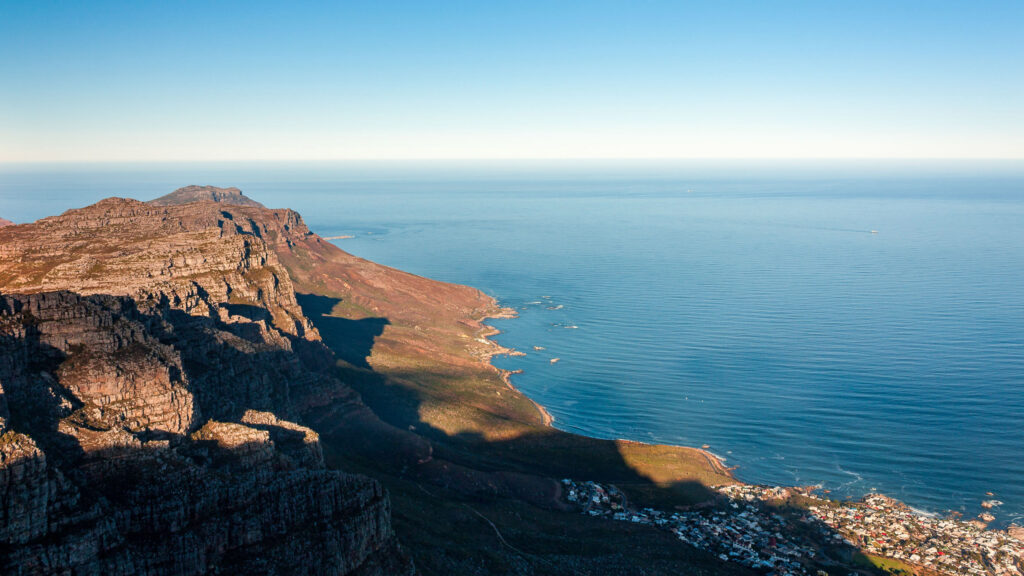
The Cape Peninsula deserves a full day of its own: Chapman’s Peak, Cape Point, and the penguins at Boulders Beach near Simon’s Town. Rent a car, or book a driver if you’d rather take in the view than watch the road, because this really is one of the most beautiful drives I’ve done anywhere, and I don’t throw that around lightly.
Boulders Beach in particular is worth knowing about if you’ve got kids along, or honestly even if you don’t, there’s something disarming about African penguins just going about their day on a beach. It’s exactly as charming as it sounds, maybe more.
Eating and Drinking
Cape Town has an exceptional food scene, and it’s one thing I think gets undersold when people plan their time here. The Waterfront itself has plenty of options, from casual to proper sit-down, but if you’re willing to venture a little further out, you’ll eat better and spend less doing it.
Le Bistrot de Jan, Coy, and La Colombe are all world class if you want a special meal and can get a reservation, but book well in advance, especially if you’re set on a particular night. For something more relaxed, the restaurants along Bree Street in the city centre are consistently good and a little easier to walk into without planning way ahead. Harbour House at the Waterfront does excellent seafood, and it’s hard to argue with eating fresh fish while looking at the actual harbour it came from.
If wine is your thing, the Cape Winelands, Stellenbosch, Franschhoek and Paarl are about 45 minutes from the city and worth carving out a day for. Franschhoek, especially, is a beautiful little town with some outstanding restaurants of its own. I know it’s a lot to fit in alongside cruise preparation, but if you’ve got three or four days in Cape Town, it belongs on the list.
The Sailaway
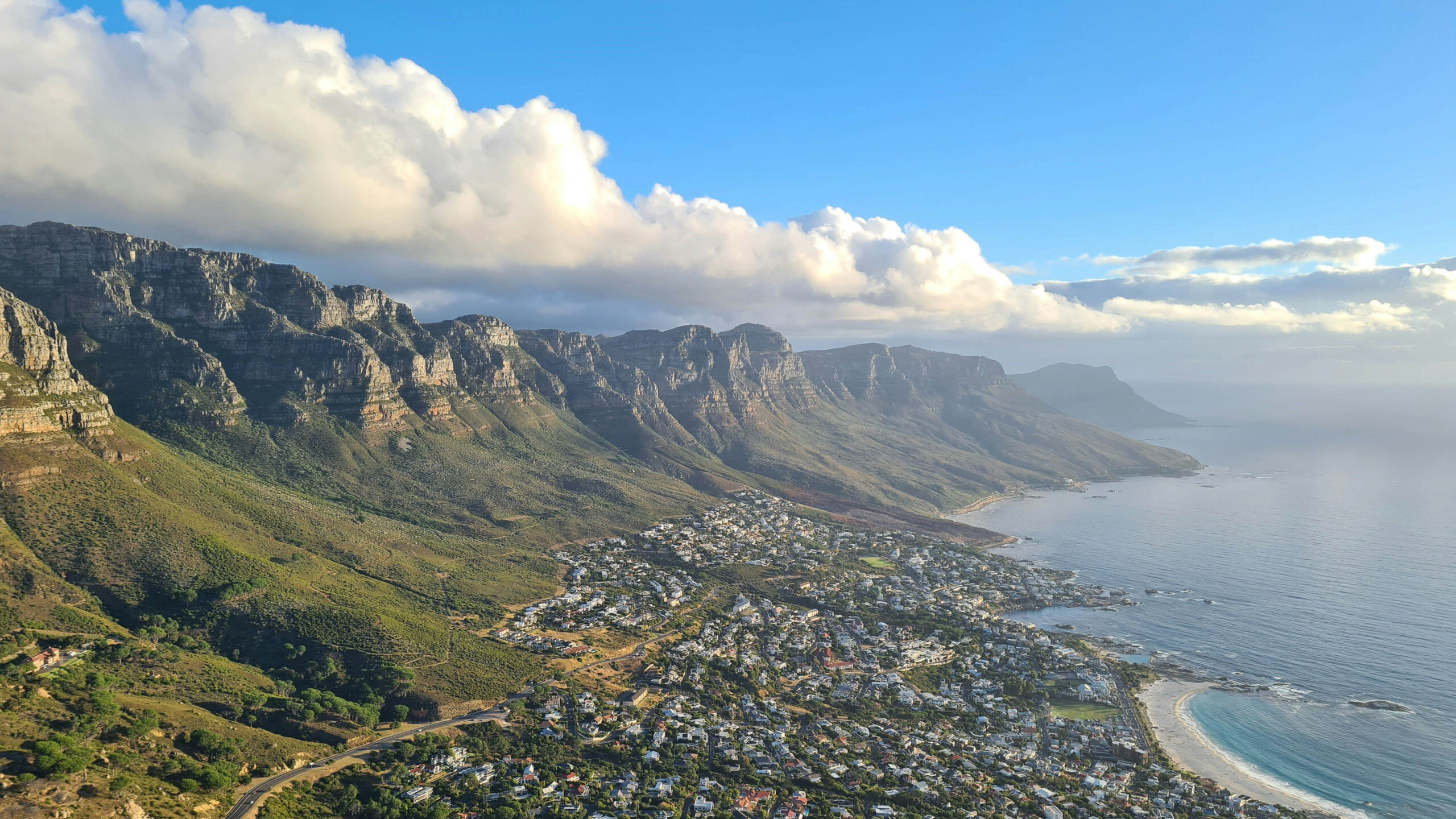
Here’s something worth planning around, and it’s easy to miss if you’re not told in advance. When MSC sails out of Cape Town, the ship moves past the V&A Waterfront, along the Atlantic Seaboard, and out past Camps Bay and the Twelve Apostles mountain range. On a clear evening, it’s genuinely one of the most beautiful sailaways you’ll ever see.
So be on deck for it. Bring a drink, find a rail, and don’t let this happen outside while you’re still in your cabin unpacking.
A City Worth Arriving Early For
Cape Town has a way of making people want to stay longer than they’d planned. If you’re using it as your cruise departure point, do yourself a favour and treat it as the first destination of your trip, not just the starting line before the real thing begins.
If you’re looking to book your MSC cruise out of Cape Town, that’s exactly where I can help. Reach out, I’ll be happy to help you find the right sailing.